What Is Sound Design and What Does It Actually Do?
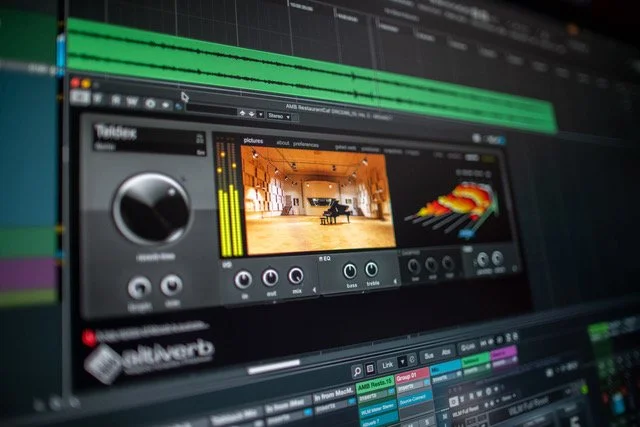
Sound design is one of those terms that gets used a lot and explained rarely. Ask ten people what it means and you'll get ten different answers, most of them partial. It's “the sound effects", or “the music", or “the mix". It's all of those things and also none of them individually.
Here's a more useful way to think about it.
What Sound Design Actually Is
Sound design is the deliberate creation and shaping of the sonic world of a piece of content. Everything the audience hears that wasn't captured in the original recording: the background atmosphere of a scene, the specific texture of a door closing, the sonic signature of a product, the way a transition feels. Sound design is the craft of building that world from scratch and making it feel real, or intentional, or both.
In film and television, it sits alongside dialogue and music as one of the three core elements of a soundtrack. In advertising, it's often what gives a product its feel. In corporate content and documentary, it's what separates something that sounds finished from something that sounds like a recording.
What It Does That You Don't Notice
The most effective sound design is invisible. You don't notice it because it does exactly what it's supposed to do: it supports the picture, creates a sense of place, guides the emotional response, and makes the whole thing feel more real than reality.
What you do notice, even if you can't name it, is its absence. A scene without atmosphere feels dead. A product without a sonic identity feels generic. A transition without audio support feels abrupt. These are the things that make a piece of content feel unfinished, and they're almost always sound design problems.
The Difference It Makes in Practice
Take a simple example. A 60-second brand film with location footage and a voiceover. Without sound design, you have the location audio, the voiceover, and probably a music track. It's serviceable.
Add considered sound design and the picture starts to breathe. The location feels inhabited. The cuts feel purposeful. The music has something to work with rather than carry the whole emotional weight on its own. The product, if there is one, has a sound that belongs to it.
It's the difference between a piece of content that does its job and one that actually lands.
Where Sound Design Fits in the Post Workflow
Sound design happens after picture lock, alongside or after dialogue editing, and before the final mix. In practice the lines blur: a good sound designer is thinking about the mix while they're building the design, and a good mixer is making sound design decisions at the mix stage.
At Red Facilities, sound design is part of our audio post-production process rather than a separate service bolted on at the end. If your project needs it, it gets built into the workflow from the start.
If you're working on a project and want to talk through what sound design would involve, get in touch with the team. It's easier to explain with your specific brief in front of us.
Sound Design Across Different Types of Projects
Sound design looks different depending on the kind of project it's serving, but the underlying discipline is the same: build a sonic world that supports the picture and serves the audience.
Broadcast and streaming drama
In TV drama and scripted series, sound design carries a lot of the world-building that audiences take for granted. Every location has a specific acoustic signature. Every transition has weight. The sound design is often what distinguishes a production that feels like a real place from one that feels like a set. At this level, it is also a technical discipline: broadcast delivery requirements are precise, and the design has to work equally well on a cinema-quality speaker system and a television in a living room.
Brand films and corporate content
Brand films often have no dialogue to fall back on. The picture and the sound design have to do the work together. This is where sonic identity becomes important: the specific texture of a product, the atmosphere of an environment, the audio equivalent of a visual brand language. Done well, it is what makes a brand film feel considered rather than generic.
Commercials
In advertising, sound design works at pace. A 30-second commercial has no room for anything that doesn't earn its place. Every sound is a decision, and every decision affects how the product feels. The right sonic treatment can make a brand feel premium, warm, technical, or human. The wrong one can undermine everything the visuals are trying to say.
Explainer videos and corporate content
Even content that seems to need nothing more than a voiceover and a music bed benefits from considered sound design. Transitions, punctuation, the way sections move into each other: these are sound design problems. Getting them right is what separates content that feels professional from content that feels assembled.
How to Commission Sound Design
If you’re bringing a project to post and you know it will need sound design, these are the things worth knowing before the conversation starts.
Brief it early. Sound design that has been part of the conversation from the start produces better results than sound design that gets bolted on at the end. If a sound designer understands the tone and intention of a piece from the brief stage, the work will reflect that. If they are handed a locked cut and asked to fill it, the results are more reactive than creative.
Share references. The most useful thing you can give a sound designer is a sense of what the project should feel like. References from other work, notes on the visual world, a sense of the emotional register you are aiming for. None of this needs to be precise. It just needs to communicate something about intention.
Know your deliverable. Different broadcast and distribution platforms have different technical requirements. Knowing upfront whether you are delivering for broadcast, streaming, cinema, or online affects how the sound design is built and how the final mix is structured. Our audio post-production team can advise on delivery requirements before the project starts.
Be clear about timeline. Sound design takes time, and the best results come from having enough of it. A rushed sound design is always audible. If your schedule is tight, tell us at the start rather than at the end. We’ve delivered under pressure many times, but it helps to know early.
If you want to talk through what sound design would involve on your specific project, get in touch. It is easier to scope properly once we know what you are working on.
Frequently Asked Questions
What's the difference between sound design and sound effects?
Sound effects are individual audio elements: a door closing, a car passing, a phone ringing. Sound design is the broader craft of building and shaping the entire sonic environment of a piece, which includes sound effects but also atmosphere, texture, and the way all of those elements work together. Sound effects are ingredients. Sound design is the cooking.
Do short-form projects need sound design?
Often, yes. Even a 30-second ad benefits from considered sound design. The question isn't really about length, it's about whether the content has a sonic world that supports the picture. A short film with no atmosphere can feel just as unfinished as a long one.
What's the difference between sound design and music?
Music is composed or licensed to create emotional context and mood. Sound design creates the sonic texture of the world itself: the environment, the objects, the transitions. In practice the two work closely together and a good mix balances them. Neither replaces the other.
How does sound design affect the final mix?
Significantly. The mix is where all the elements – dialogue, music, and sound design – are balanced and shaped into a finished soundtrack. Sound design that's been built with the mix in mind sits better and requires less corrective work at the mix stage. Design that hasn't been thought through carefully creates problems that are expensive to fix later.
Can sound design be added after the edit is finished?
Yes, and it usually is. Sound design happens after picture lock. But the earlier a sound designer is involved in conversations about a project, the better the result tends to be. Understanding the tone and intention of a piece from the start produces more considered work than being handed a locked cut and asked to fill it.
Is Foley the same as sound design?
Foley is a specific type of sound design: the performance and recording of everyday sounds in a studio to replace or enhance what was captured on set. Footsteps, clothing movement, handling sounds. It's one element of the broader sound design process, not the whole of it.
Written by Max Howarth
Max is a producer and director at Red Facilities with over 30 years of experience in audio post-production. Based in Edinburgh, he has worked across broadcast drama, feature film, documentary, and independent production throughout his career.