Five Things Worth Knowing Before You Book an Audio Post Studio
Choosing an audio post-production studio isn't always a lengthy process. Sometimes the recommendation is solid and the decision is straightforward. But when you're scoping a new relationship, or working on a project type you haven't handled before, it helps to know what you're actually evaluating. Here are five things that tend to matter more than they might initially seem.
1. The Monitoring Environment
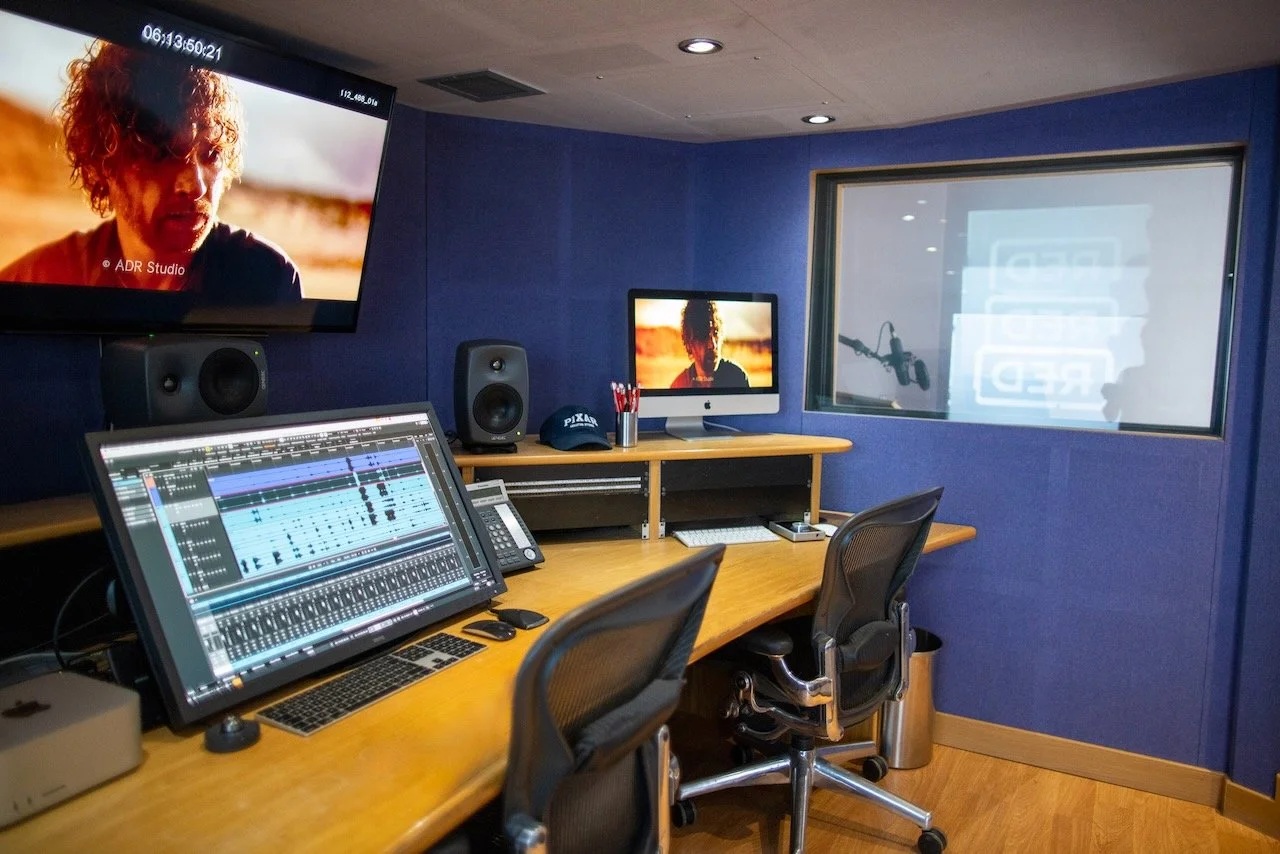
A mix only sounds right if it's made in a room that's set up to tell the truth. Professional studios are acoustically treated and use calibrated monitoring so that what the engineer hears reflects what the audience will hear, not a version that's been flattered by the room or the speakers. It sounds obvious, but not every studio that calls itself professional has invested in this properly. If you're delivering to broadcast, this matters.
2. Delivery Experience
Audio post-production isn't just about the quality of the mix. It's about delivering the right files in the right format with the right metadata to the right specification. Broadcast delivery standards, loudness specifications, codec requirements: these vary by platform and by client, and they change. A studio that does this regularly will have systems for getting it right. One that doesn't carries a higher chance of getting it wrong at the most inconvenient moment.
3. How They Handle the Creative Side
There's a version of audio post that is purely technical: receive the files, do the work, deliver the output. There's another version where the people you're working with are genuinely engaged in making the project better. An experienced engineer who flags something that's going to cause a problem downstream, or who suggests a creative option you hadn't considered, is worth considerably more than one who simply executes the brief. It's worth knowing which kind of studio you're working with before you're in the session.
4. Remote Capability
Even if you're planning to be in the room for a session, it's worth knowing the studio can handle remote connectivity when you need it. Productions evolve, schedules shift, and clients who planned to attend in person often end up dialling in from somewhere else. A studio with proper Source Connect setup and experience running remote sessions isn't a nice-to-have. It's a practical requirement for most professional productions.
5. The Full Range of What They Can Handle
Audio post is rarely just one thing. A project that starts as a dialogue edit can evolve to need ADR. A podcast that needs editing might also benefit from sound design. A voiceover session might involve some casting work before it involves a microphone. Working with a studio that can handle the full range of what a project might require, rather than one that covers only part of it, makes for a more coherent workflow and fewer handoffs.
At Red Facilities, we've been doing this for over 25 years from our studios in Leith, Edinburgh. If you're evaluating options for an upcoming project and want to talk through what you need, get in touch with the team. We're happy to have that conversation.
Frequently Asked Questions
How do I know if a studio's monitoring environment is up to broadcast standard?
Ask whether the room is acoustically treated and whether the monitoring is calibrated to a reference standard. A professional studio will be able to answer both questions clearly. If they can't, it's worth factoring that into your decision.
What broadcast delivery standards should I be aware of?
For UK broadcast, the main loudness standard is EBU R128, targeting -23 LUFS integrated. For streaming platforms like Netflix and Amazon, the target is typically -27 LUFS. Social platforms vary. A studio that delivers to broadcast regularly will know these specs and apply them without needing to be asked.
What's the difference between a technically good mix and a creatively good one?
A technically good mix meets spec: the levels are right, the loudness is compliant, the files are delivered correctly. A creatively good mix does all of that and also sounds right — the elements serve the content, the balance feels natural, and nothing jars. The best engineers bring both. It's worth having a conversation before you book to get a sense of how a studio approaches the creative side.
Why does it matter whether a studio can handle multiple services?
Every time a project changes hands between studios or vendors, there's potential for inconsistency, miscommunication, and lost time. A studio that can take a project from dialogue edit through to final mix, with ADR and sound design in between, gives you a single point of accountability and a more coherent end result.
Is it worth visiting a studio before booking for a big project?
For a significant project or an ongoing relationship, yes. Hearing the room, meeting the engineers, and understanding how they work is useful information that you can't get from a website. Most studios are happy to show you around before you commit.
What questions should I ask when scoping a new studio relationship?
A few good ones: What broadcast specs do you regularly deliver to? How do you handle remote sessions? What's your process when something goes wrong close to a deadline? Can you handle the full post workflow or just part of it? The answers will tell you a lot about how organised and experienced they are.
Written by Max Howarth
Max is a producer and director at Red Facilities with over 30 years of experience in audio post-production. Based in Edinburgh, he has worked across broadcast drama, feature film, documentary, and independent production throughout his career.